Are Australian Designers Prioritizing Sustainability in Modern Kitchens?

Embracing Eco-Friendly Designs
As someone who thrives on innovative and practical solutions, I understand the importance of integrating eco-friendliness into design, especially when it comes to energy-efficient appliances in your hospitality space. Selecting appliances such as dryers that consume less energy is not only beneficial for the environment, but it also saves on utility bills. These types of appliances can significantly reduce the carbon footprint of your bar, aligning with the eco-friendly features seen in Federation Square.
Transitioning to dishwashers that are specifically designed for energy efficiency is another excellent way to enhance sustainability. These machines use less water and energy compared to traditional models, while also offering advanced functionalities that cater to your bar's demands. In a similar vein, opting for bar fridges with high energy ratings helps maintain the chic aesthetic of your establishment without compromising on performance or sustainability. These fridges come in various styles to complement the unique atmosphere you're crafting.
Incorporating sustainable design throughout your bar creates a ripple effect, not just influencing your immediate surroundings but appealing to an environmentally conscious clientele. Like the green initiatives at Federation Square, integrating eco-friendly practices in your bar can serve as inspiration for others in the industry. Making these choices enhances not only the operational efficiency of your space but also contributes to long-term sustainability goals.
Maximizing Space and Functionality
For those passionate about sustainable design, especially within the bustling environment of Melbourne, integrating maximum functionality into limited spaces is crucial. Whether you're crafting a lively bar atmosphere or refining a modern kitchen, streamlined layouts play a pivotal role. Focus on clean lines and open spaces that naturally project an organised look while providing ample room for creativity. Imagine how effective your setup can be, perhaps inspired by the intelligent use of space seen at Melbourne Arts Precinct, where functionality meets artistic splendour.
Let's move on to the concept of multifunctional furniture, which is a game-changer in space optimisation. Consider investing in pieces that serve more than one purpose, such as a table that can be extended or folded away as needed. This flexibility not only caters to different occasions but also aids in efficient space management, ensuring that every square metre has a purpose.
Storage innovations are another vital element for maximizing both space and efficiency. Think about vertical storage options or hidden compartments that keep essentials within reach without cluttering surfaces. Appliances like mini fridges are compact and can seamlessly integrate into these creative storage solutions, allowing for accessibility without compromising design aesthetics. Similarly, including induction cooktops and microwaves that match your space’s theme can drastically improve both safety and energy efficiency, a tip inspired by eco-friendly features at Federation Square. Each thoughtful choice contributes to a harmonious blend of beauty and practicality.
Aesthetic Trends in Modern Kitchens
Natural Elements Integration
Integrating natural elements into kitchen design not only enhances aesthetic appeal but also promotes sustainability. Think of features like eco-friendly materials reminiscent of the green spaces at the Royal Botanic Gardens. Select countertops made from recycled materials, such as those incorporating glass or reclaimed wood. Incorporating living plants or a vertical garden can bring both vibrant colours and improved air quality to your kitchen.
Minimalist Design Approaches
Minimalism in kitchen design emphasizes simplicity, functionality, and a clutter-free space. Consider sleek fixtures, simple hardware, and open shelving to maintain an organised yet stylish look. Minimalism pairs well with high-tech appliances like a smart tv that merges seamlessly into the kitchen environment, acting as both a functional device and a modern design feature.
Colour Palettes and Textures
Modern kitchens are turning to soft, natural colour palettes that draw inspiration from earth tones. Greens, beiges, and soft greys are popular choices that evoke a sense of calm and stability. Combining these colours with textures such as leather and stone can add depth and interest to the overall design. Incorporating appliances like a matte-finish fridge can complement these earthy tones, providing a balanced and contemporary appearance.
Incorporating these aesthetic trends not only enhances your kitchen’s design but also reflects an awareness of sustainable practices. Such choices resonate well with the eco-friendly values celebrated in Melbourne’s design community.
Challenges in Sustainability
Common Implementation Barriers
When incorporating sustainable design elements, one of the most frequent obstacles is navigating the cost and availability of eco-friendly materials. Often, these sustainable options come at a premium, creating a potential barrier for small business owners who wish to stay ahead of design trends without breaking the bank. Moreover, the availability of these materials can be inconsistent, adding to the complexities involved in sourcing sustainable solutions. For instance, selecting appliances like coffee machines that are both energy-efficient and aesthetically pleasing can be challenging due to limited local manufacturers specialising in green technology. This is particularly true when balancing sustainability goals with budget constraints.
Overcoming Design Constraints
Design constraints often surface when trying to fit sustainability into pre-existing layouts or established design schemes. Integrating sustainable appliances while maintaining the intended aesthetic can be tricky. But, with an eye for innovation, it's possible to trial designs that embrace current, eco-friendly technology without compromising on style. For example, the creative use of smart tv installations can serve dual purposes: entertainment and ambience, all while being energy-efficient. A key tip here involves custom installations that utilize available space effectively, mirroring the dynamic design seen in areas like the Melbourne Arts Precinct.
Balancing Cost and Quality
Maintaining a balance between cost and quality is vital while pursuing sustainability. Investing in high-quality, energy-efficient appliances may result in higher upfront costs but can lead to significant savings in the long run. It is essential to evaluate the lifecycle cost of a product, which includes initial purchase price, operating costs, and potential energy savings over time. Select appliances that meet your needs while also making a conscious choice to reduce your ecological footprint. This strategic planning ensures that the overall ambiance supports sustainability without diminishing the quality of your business operations.
Steps for Achieving Sustainable Design
Material Selection
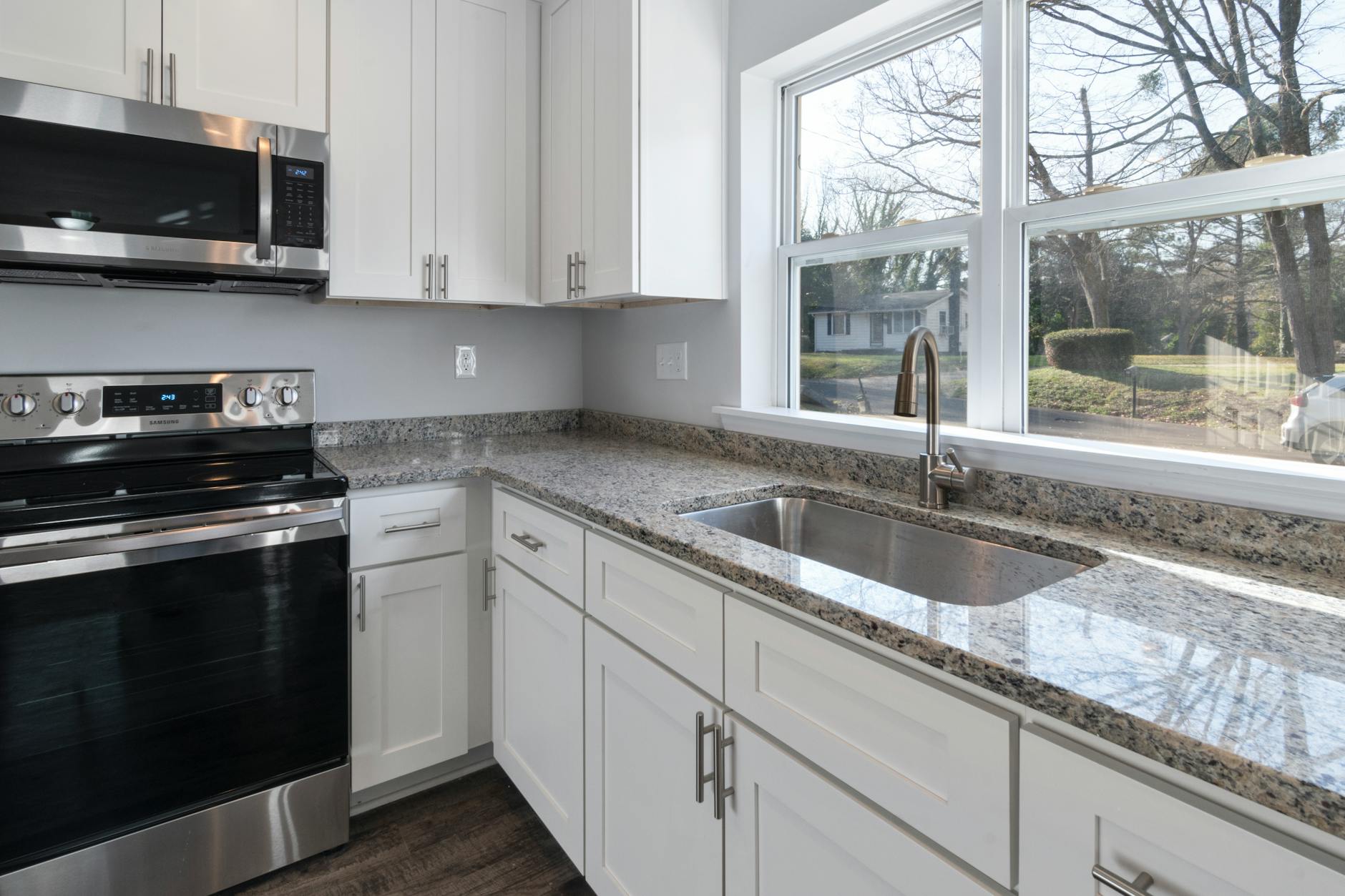
Incorporating sustainable design into your kitchen begins with selecting the right material for kitchen benchtops. Opt for materials that are both sustainable and durable, such as recycled timber or bamboo, which serves as an eco-friendly alternative to traditional hardwoods. The artistic flair in Melbourne's creative hubs, like the Melbourne Arts Precinct, can inspire the use of innovative materials that not only reduce environmental impact but also add unique aesthetic value to your space. The goal is to choose materials that support longevity while resonating with the eco-friendly ethos.
Energy-Efficient Solutions
After selecting sustainable materials, focus on integrating cutting-edge energy solutions. Solar-powered appliances and LED lighting systems can significantly reduce energy consumption and provide long-term cost savings. Embrace technologies such as induction cooktops and energy-efficient ovens to minimize your carbon footprint without sacrificing style or functionality. These appliances reflect the eco-conscious atmosphere celebrated at Federation Square. Investing in energy solutions not only enhances your kitchen’s sustainability but also aligns it with modern, high-design principles.
Collaborate with Eco-Driven Designers
Partnering with designers who prioritize sustainability is crucial for achieving a green kitchen. Choose professionals who understand the importance of integrating green technologies and eco-friendly features into their designs. A well-versed designer can incorporate elements like green walls or sustainable flooring that mimic the lush green spaces found at the Royal Botanic Gardens. These collaborations ensure that your kitchen reflects both your style and your commitment to contributing positively to the environment. By working with forward-thinking designers, you are more likely to achieve a masterpiece of sustainable design that inspires and functions seamlessly.